
Fuel Theft Prevention for Municipal and Public Works Fleets
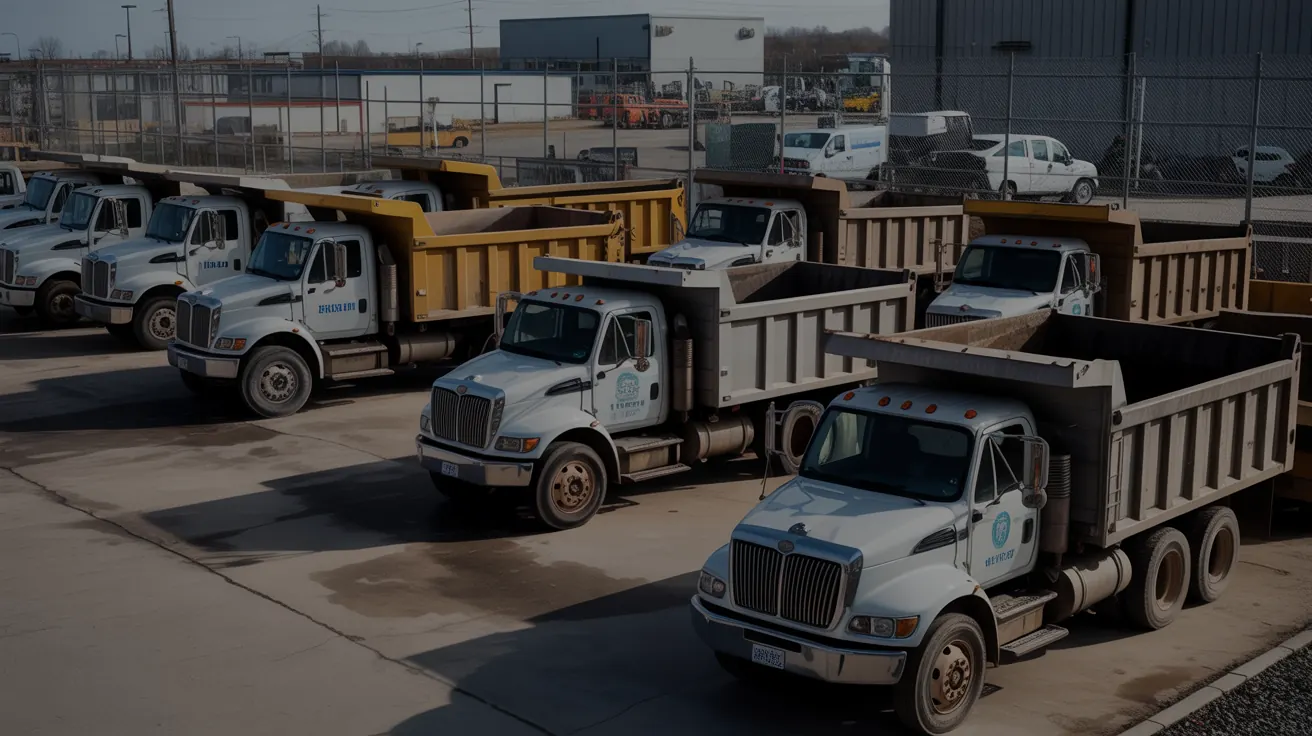
Municipal and public works fleets are the backbone of local government operations. From road maintenance and snow removal to parks, utilities, water treatment, and emergency response, these trucks keep communities running. But they also face a persistent and costly problem: fuel theft.
Unlike private contractor fleets that may be parked behind fenced yards, municipal vehicles are often staged at publicly accessible maintenance facilities, along roadsides, at parks, and in neighborhoods. This visibility and accessibility makes them easy targets for opportunistic fuel theft.
Why Municipal Fleets Are Targeted
Several factors make government and municipal fleet vehicles especially vulnerable to fuel siphoning and tampering:
- Publicly visible parking: Municipal trucks are parked at maintenance yards, public works facilities, and staging areas that are often unfenced or minimally secured.
- Predictable schedules: Crews operate on regular schedules, making it easy for thieves to know when trucks will be left unattended.
- Large fuel tanks: Chassis cab work trucks like the Ford F-450, F-550, and Ram 4500/5500 carry 30 to 60+ gallons of diesel — a high-value target.
- Exposed fuel caps: Factory chassis cab trucks have no locking fuel door from the manufacturer. The fuel filler is completely unprotected.
- Budget constraints: Many departments defer security upgrades because they don't see fuel theft as a line item until the losses add up.
The Real Cost to Taxpayers
Fuel theft from municipal vehicles is not just a nuisance — it is a direct cost to taxpayers. Consider a public works department with 20 work trucks:
- If just 5 trucks are hit once per year with an average loss of $300 per event, that is $1,500 in stolen fuel annually.
- Add crew downtime for reporting, emergency refueling, and administrative processing — that number can easily double.
- If any truck experiences fuel contamination, repair costs of $2,000 to $8,000 per vehicle can blow a maintenance budget.
- Over a 5-year budget cycle, the total cost of unprotected fuel access can exceed $15,000 to $50,000 for a mid-size municipal fleet.
For context, protecting the entire 20-truck fleet with locking fuel doors would cost a fraction of one contamination repair.
Types of Municipal Vehicles at Risk
Any chassis cab work truck in a municipal fleet with an exposed fuel filler is at risk. Common platforms include:
- Road maintenance trucks: Ford F-350/F-450/F-550, Ram 3500/4500/5500 with dump bodies, salt spreaders, or plow setups
- Parks and recreation vehicles: Service body trucks used for facility maintenance, landscaping, and trail maintenance
- Water and sewer utility trucks: Utility body trucks carrying tools and equipment for infrastructure work
- Fleet support vehicles: Mechanics' trucks, fuel trucks, and general-purpose service bodies
- Emergency management vehicles: Trucks staged for storm response, flood mitigation, and disaster recovery
How the Work Truck Fuel Vault Helps Municipal Fleets
The Work Truck Fuel Vault is a bolt-on armored locking fuel door that covers the entire fuel access area on Ford and Ram chassis cab work trucks. It is designed for the kind of simple, fast deployment that municipal fleet managers need:
- No shop time: Installs in 8 to 15 minutes per truck with basic hand tools
- No modifications: Bolt-on design requires no drilling, cutting, or welding
- Fleet-wide rollout: A single technician can outfit an entire fleet in a day
- Procurement-friendly: Simple product with clear pricing, made by a U.S. manufacturer (AMI Transportation, LLC, Sarasota, Florida)
- Volume pricing available: Discounts for 5+ unit orders
- Limited Lifetime Warranty: Protects the municipality's investment for the life of the vehicle
Fits the Trucks Your Department Already Runs
The Work Truck Fuel Vault fits the most common chassis cab platforms used by municipal fleets:
- Ford F-350, F-450, F-550, F-600 Chassis Cab
- Ford E-350, E-450
- Ford F53 Workhorse
- Ram 3500, Ram 4500, Ram 5500 Chassis Cab
It works with all major body builders including Knapheide, Reading Truck, Monroe, Scelzi, and Auto Truck Group.
Making the Case for Fuel Security in Your Department
If you manage a municipal or public works fleet, here is how to make the case for fuel access protection:
- Track fuel loss: Review fuel purchase records against mileage to identify unexplained consumption.
- Document incidents: Even if no police report is filed, keep a log of suspected theft or tampering events.
- Calculate the ROI: Compare the cost of locking fuel doors for your fleet against the annualized cost of fuel loss, contamination repairs, and downtime.
- Present it as a one-time capital expense: The Fuel Vault is installed once and lasts the life of the vehicle — no recurring costs.
Request fleet and volume pricing for your municipal fleet or contact our team with questions about government procurement and fleet orders.
Ready to Protect Your Fuel System?
The RV Fuel Vault™ — the first locking fuel door purpose-built for Class A, C & Super C motorhomes.
Order Your RV Fuel Vault