
What Diesel Fuel Theft Actually Costs a Work Truck Fleet
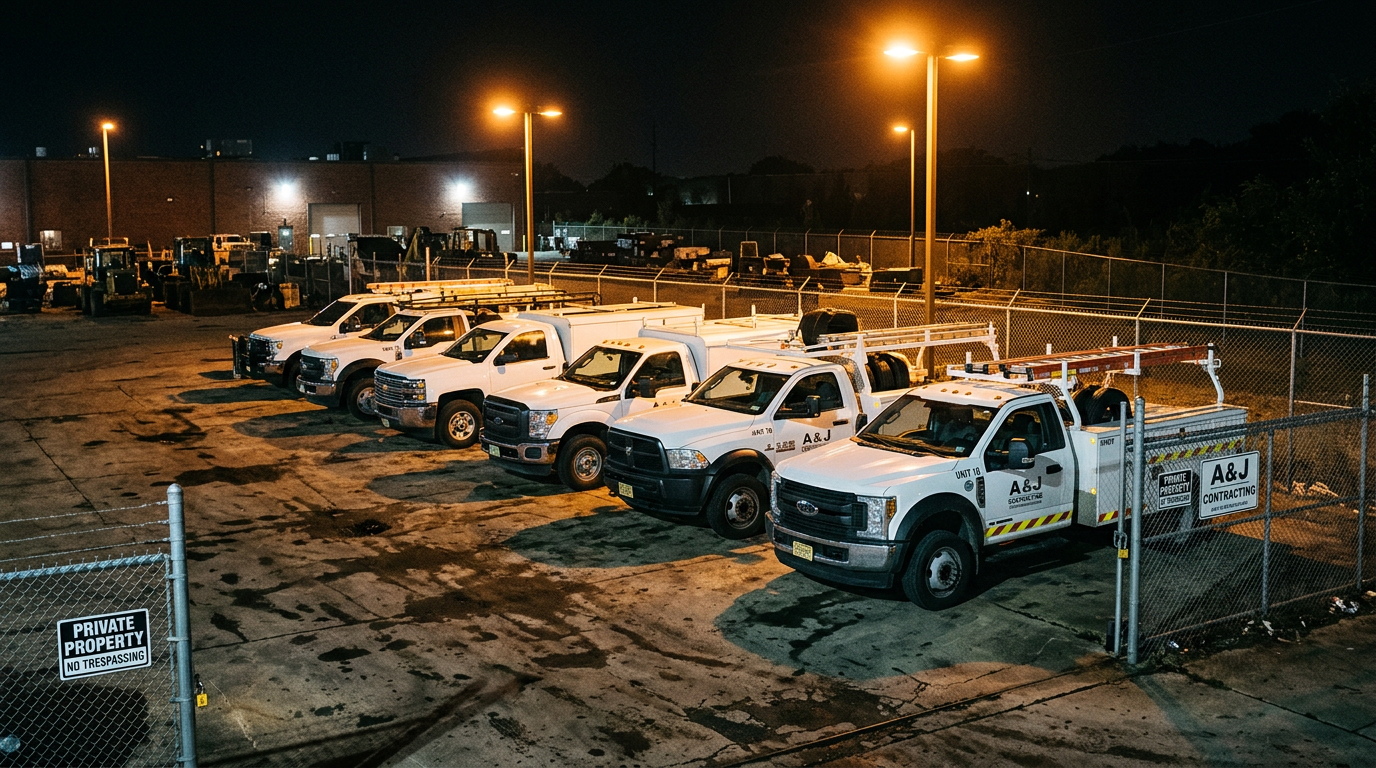
Ask ten fleet managers whether they have a fuel theft problem and most will say they are not sure. That uncertainty is the problem. Fuel theft on work trucks almost never arrives as one obvious event. It arrives as a tank that reads lower than it should on Monday morning, a miles-per-gallon number that drifts down over a quarter, and a fuel budget that keeps getting blown for reasons nobody can put a finger on.
Start With the Gap, Not the Incident
The honest way to measure fuel theft is to stop looking for incidents and start looking for the gap between fuel purchased and fuel that can be accounted for by miles driven and engine hours logged.
Pull twelve months of fuel card data. Pull the same twelve months of odometer readings and, if you run PTO equipment, engine hour meters. Calculate the gallons your fleet should have consumed at its historical efficiency. Subtract that from gallons purchased. Whatever is left is your unexplained gap.
Some of that gap is legitimate: idling, cold weather, heavier loads, a driver with a heavy foot. But a persistent gap that concentrates around specific vehicles, specific yards, or specific nights of the week is not a rounding error. It is somebody with a hose.
The Costs Fleet Managers Actually Count
- The fuel itself. A pickup-sized tank holds 25 to 35 gallons. A chassis cab service truck can hold 40 to 65. At current diesel prices, a single overnight hit on one truck is a few hundred dollars. Ten trucks in a yard is a bad night that nobody notices until the next fill-up.
- Repeat visits. A yard that gets hit once and does nothing about it gets hit again. Thieves are creatures of habit, and an unlocked fuel door is a standing invitation.
The Costs Almost Nobody Counts
- Crew downtime. A truck that shows up to the yard empty does not roll at 6:00 AM. Two hours of a three-person crew standing around costs more than the fuel that was taken.
- Emergency fueling. Filling at the nearest retail pump instead of your contracted bulk rate quietly erases the savings you negotiated.
- Contamination. This is the expensive one. An open fuel filler is not just a siphoning target, it is an opening. Water, sand, sugar, or the wrong fuel introduced into a modern common-rail diesel can destroy injectors and a high-pressure pump. That repair runs into thousands of dollars per truck, plus weeks out of service.
- Schedule damage. Missing a committed install date or service window because a truck was down costs relationships, not just dollars.
- Investigation time. Every hour a supervisor spends pulling GPS logs and interviewing drivers over a suspected theft is an hour not spent running the operation.
Build the Number, Then Take It Upstairs
Put the gap in gallons, multiply by your blended fuel cost, and add a conservative allowance for downtime and one contamination event across the fleet per year. That total is your annual exposure. Compare it against the one-time cost of physically protecting each fuel door. In most fleets the protection pays for itself long before the first year is out, and the math is simple enough to survive a purchasing review.
Why Cameras and Fuel Cards Do Not Close the Gap
Telematics tells you a tank level dropped. Cameras tell you somebody was there. Fuel cards tell you what you bought. None of them stop the hose going in. Detection tools are worth having, but they are reporting a loss that already happened. The only thing that prevents the loss is a physical barrier between the thief and the filler neck.
Where a Locking Gas Cap Falls Short
A locking fuel cap is better than nothing, but on a work truck the cap sits behind an unlocked door or, on many chassis cab bodies, out in the open entirely. Once a thief has hands on the cap, a cordless drill or a pipe wrench handles it in under a minute, quietly, in the dark. Protecting the door means the cap is never reachable in the first place.
Protect the Fuel Door, Not Just the Cap
The Work Truck Fuel Vault is a patent-pending armored locking fuel door that bolts over the existing fuel door opening on a commercial work truck. It installs in minutes with common hand tools, needs no drilling into the chassis and no wiring, and it does not touch the fuel system. Two sizes cover the overwhelming majority of work truck openings.
Every unit ships free within the fifty United States and carries a limited lifetime warranty against defects plus a 30-day money-back guarantee. Not sure which size fits your truck? Send us a photo and a tape measure reading and we will confirm it before you order, or call 941-541-0089 and talk to a real person in Sarasota, Florida.
Ready to Protect Your Fuel System?
The RV Fuel Vault™ — the first locking fuel door purpose-built for Class A, C & Super C motorhomes.
Order Your RV Fuel Vault